
12 hr
Private Nagano Discovery Tour with Snow Monkeys
Luxurious private excursion through Nagano's temples, hot spring villages, and iconic snow monkey sanctuary
Reserve
Hand-picked by our editors — only the best 5 experiences from 40 reviewed.
Verified partners for every tour, free cancellation where available, and instant confirmation on every booking.
12 hr
Luxurious private excursion through Nagano's temples, hot spring villages, and iconic snow monkey sanctuary
Reserve
11 hr
Discover wild macaques bathing in hot springs, explore a sacred Buddhist temple, and wander a traditional onsen village
Reserve
11 hr
Fully customizable private journey to wild macaques bathing in hot springs, ancient temples, and alpine scenery
ReservePrices from verified partners. Availability updates in real time at checkout. Free cancellation policies apply where shown.
The landmarks, rooms, and views travelers on this tour remember — all visible on a single visit.
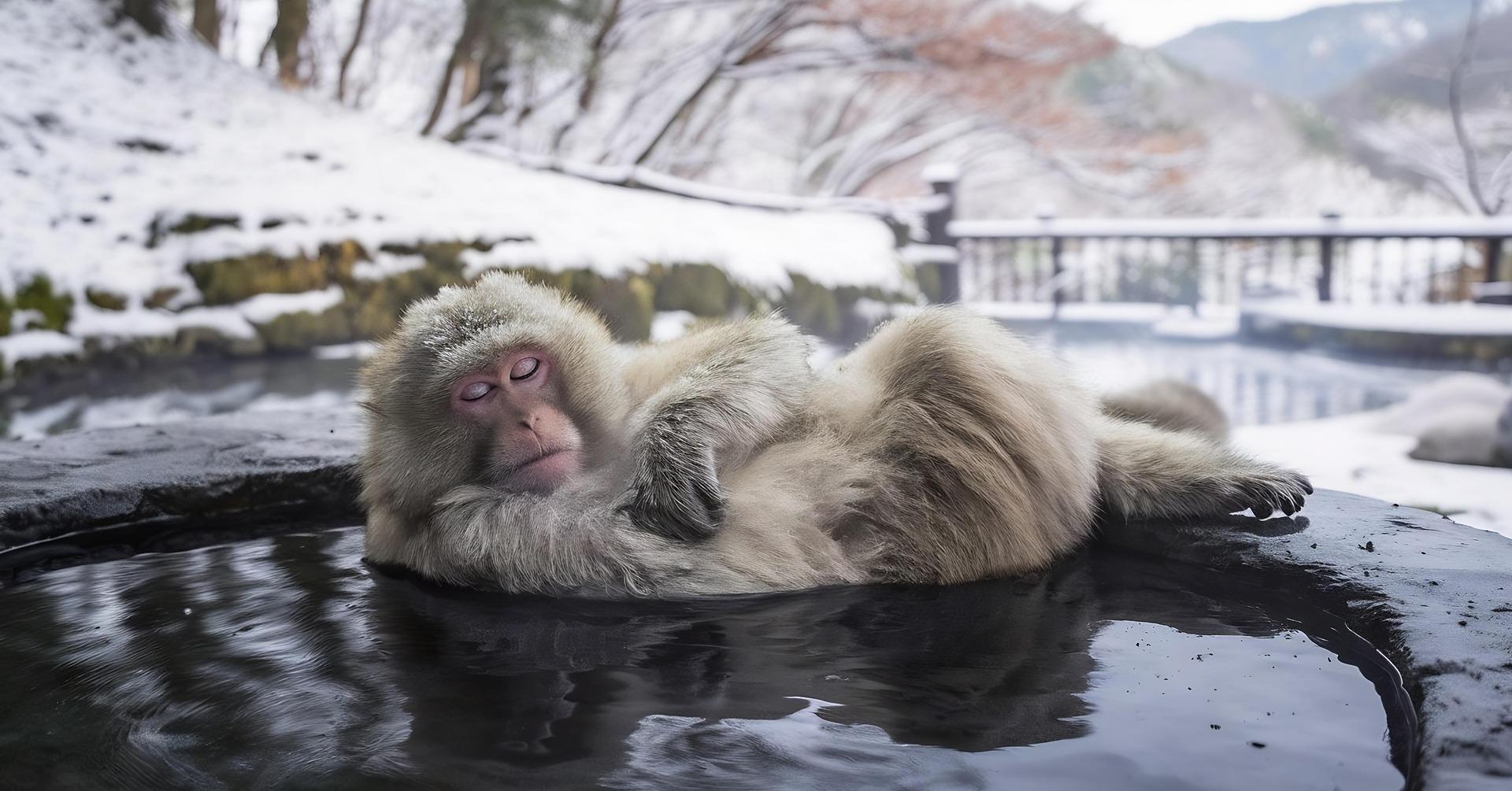
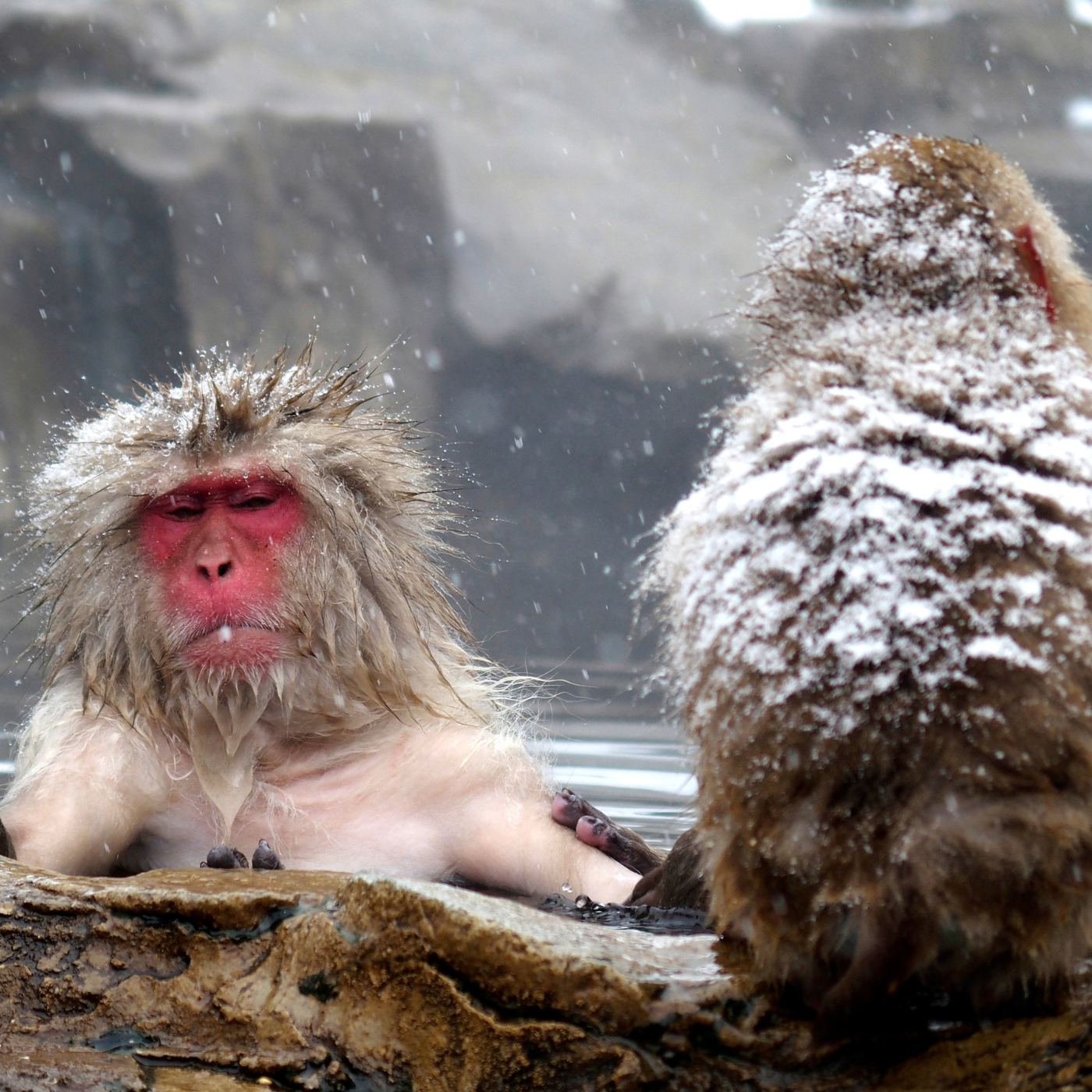
The famous central hot spring where the macaques gather during colder months.
A striking natural geothermal feature demonstrating the volcanic activity of the region.
A picturesque 30-minute walk through cedar trees leading to the main viewing area.
A small area detailing the alpha male hierarchy and history of the local troop.
They complement each other, though Jigokudani offers a wild wildlife encounter while Obuse Town provides a refined cultural escape; most visitors who do both call the primate park the more thrilling adventure. Many travelers find that securing nagano snow monkey tickets tours ahead of time simplifies the logistics of visiting this remote forest location.
| Feature | Top pick Jigokudani Monkey Park | Obuse Town |
|---|---|---|
Primary Focus |
Wildlife observation | |
Accessibility |
Moderate forest trail | |
Walking Intensity |
High physical exertion | |
Cultural Depth |
Minimal historical context | |
Crowd Levels |
High at hot spring | |
Cultural Depth |
High artistic heritage | |
Primary Focus |
Hokusai art and chestnut sweets | |
Accessibility |
Flat town streets | |
Walking Intensity |
Low walking requirement | |
Crowd Levels |
Moderate town center | |
| See tickets → |
Verdict: Choose the park if you prioritize nature photography, or select Obuse for a relaxed afternoon exploring historic museums and regional culinary delights with your nagano snow monkey tickets tickets.
Choose your ticket, select your date, and reserve in under two minutes. Secure checkout handled by our verified partner.
Instant confirmation by email, with a mobile voucher you can save offline. No printing, no queuing at a collection desk.
Arrive at the entrance, show your voucher on your phone, and walk in. Most tickets include priority or skip-the-line access.
Practical details for your visit straight from our verified partners — hours, access, rules, and how to get there.
6845 Hirao, Yamanouchi
Main gate for nagano snow monkey tickets access
Take the Nagano Dentetsu Line to Yudanaka Station, then a local bus to the park.
Drive to the designated parking lot, then walk the forest trail.
Wear sturdy, comfortable footwear suitable for the 30-minute unpaved forest trail walk to Jigokudani Monkey Park. Dress in layers appropriate for mountain weather.
Keep belongings secure as monkeys may be attracted to plastic bags. Use available luggage storage facilities at the start of the trail to Jigokudani Monkey Park.
Photography is permitted, but avoid using selfie sticks or placing cameras inside the monkey bath. Use of flash is allowed at Jigokudani Monkey Park, provided you maintain a respectful distance.
The unpaved trail to Jigokudani Monkey Park is not accessible for wheelchairs or strollers. Visitors must be prepared for a walk over rough mountain terrain.
Families are welcome at Jigokudani Monkey Park, but children must be supervised at all times. Strollers cannot be used on the forest path.
Do not consume food or drink in close proximity to the monkeys to avoid attracting them. Use designated areas outside the core park zone for refreshments.
6845 Hirao, Yamanouchi
Main gate for nagano snow monkey tickets access
Get directionsBest time to go, insider tips, nearby landmarks, and the cancellation fine print — flip through to skim what matters to you.
How crowds, weather, and events shift across the year.
December–March is peak season for seeing monkeys bathing in snow.
April–May is ideal for viewing newborn macaques.
June–August offers cooler mountain temperatures for hiking.
September–November features vibrant foliage, though monkeys are more active in forests.
Small details that turn a good visit into a great one.
Check the official website for daily monkey appearance forecasts before your trip.
Arrive during the 08:30–16:00 window to enjoy a quieter experience.
Avoid direct eye contact with monkeys to prevent hostile reactions.
Wear proper hiking shoes to navigate the unpaved mountain trail safely.
Stay a few meters away from the animals to ensure your safety and theirs.
Non-bookable sights within a short walk — free to visit, easy to pair.
A nationally registered natural feature with impressive geothermal activity.
A historic inn located just across the river from the monkey park.
Flexible, no hidden fees.
As nagano snow monkey tickets are purchased on-site, there is no advance cancellation process. Entrance is subject to the 800 JPY conservation fee per adult visitor.
Hand-picked options within walking distance — pick a district for vibe, or a specific hotel for convenience.
Traditional hot spring town with many historic ryokans.
Convenient town with various hotels and easy shuttle access.
The macaques of Jigokudani did not always bathe. The habit began in 1963, when a single young female followed apples thrown into an outdoor pool at a nearby ryokan and discovered that hot water suited a cold body. The behaviour spread through imitation, generation by generation, until it became culture. Jigokudani Yaen-koen opened the following year, in 1964, expressly to give the animals a bath of their own and keep them out of the village inns. The valley earns its name — jigokudani, "hell valley" — from the sulphurous steam that vents through fissures in the cliff walls and the boiling water that surfaces at temperatures near 60°C. The gorge sits at roughly 850 metres above sea level in the Yokoyu River valley, inside the boundaries of Joshinetsu-kogen National Park. Snow lies here for a third of the year, sometimes to depths of a metre. The Japanese macaque, Macaca fuscata, is the northernmost non-human primate on earth, and this troop of some 160 individuals is its most photographed population. What draws visitors searching for nagano snow monkey tickets is not spectacle but proximity. The park keeps no cages, no glass, no barriers. The troop is wild and free-ranging; it descends from the surrounding beech and oak forest of its own accord, drawn by warmth and by the grain scattered along the riverbank. Some days it does not come at all. That contingency is the point. Researchers from Kyoto University's Primate Research Institute have studied the troop's matrilineal hierarchies here for six decades, producing one of the longest continuous behavioural records of any wild primate group. The park's architecture is deliberately slight — a single artificial onsen pool of grey stone, a small monitoring hut, a footbridge over the Yokoyu. Approach is by foot only, along a 1.6-kilometre forest trail that climbs gently through cedar and larch from the trailhead car park. No road reaches the pool. The walk itself filters the crowd and sets the tempo, and most private nagano snow monkey tickets tours build their schedule around it. The 800 JPY conservation fee, charged per adult visitor, funds the feeding programme, trail maintenance and the veterinary oversight that keeps a wild troop tolerant of daily human presence. It is a small sum for a sixty-year experiment in coexistence that has, remarkably, held.
"The troop is wild and free-ranging; some days it does not come at all, and that contingency is the point."
A step-by-step walkthrough of the visit — what you'll see, how long each stage takes, and the details that matter.
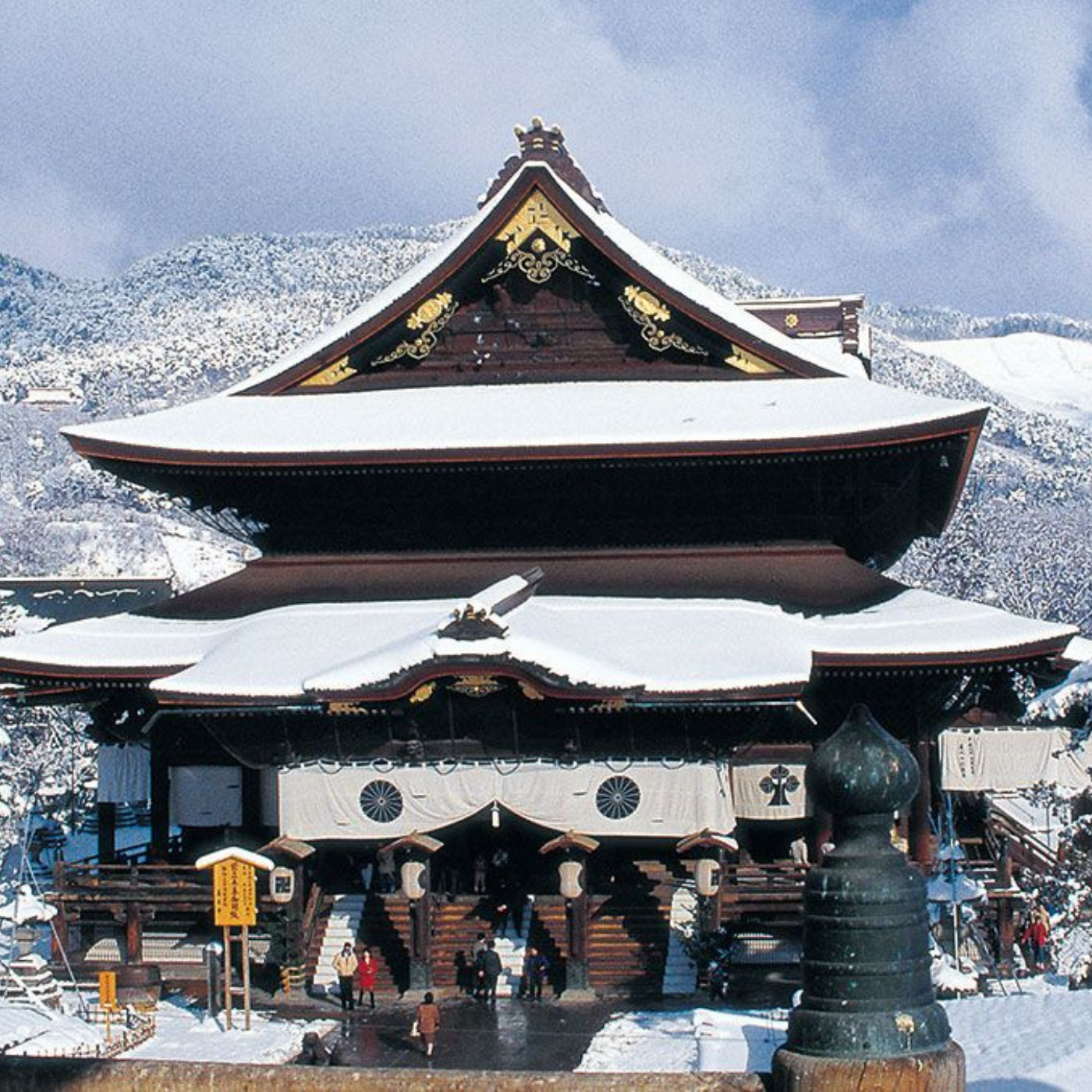
You reach the trailhead and swap pavement for packed earth. The path runs 1.6 kilometres along the flank of the Yokoyu gorge, climbing gently under cedar and larch, and it takes most walkers about 35 minutes at an unhurried pace. Steam appears before the monkeys do — thin columns rising off the river, catching low light between the trunks. At the gate you pay the 800 JPY conservation fee and cross the footbridge. The pool is smaller than photographs suggest. You stand perhaps two metres from a macaque half-submerged in grey stone water, eyes closed, arms floating; another sits on the rim grooming a yearling. Nobody herds you. You choose your angle, wait, and let the troop move around you. Keep your hands empty and your gaze soft — direct staring reads as challenge. Give yourself ninety minutes at the pool. Watch the hierarchy resolve itself: who enters the water first, who waits on the bank, who is chased off the warm corner. Then walk the trail back down as the light drops behind the ridge, and the steam turns from white to gold. Most nagano snow monkey tickets are bought alongside a private transfer that continues into Shibu Onsen, where the old wooden bathhouse street sits ten minutes away, or loops back through Zenko-ji Temple in Nagano city before the evening train.
No, tickets for the park must be purchased on-site on the day of your visit.
The park is open from 08:30–17:00 daily throughout the summer season.
Yes, the conservation fee is 800 JPY per adult visitor to enter Jigokudani Monkey Park.
Yes, children are welcome at Jigokudani Monkey Park, though the trail is not suitable for strollers.
Photography is allowed but selfie sticks are prohibited to keep the macaques at Jigokudani Monkey Park safe.
Most visitors take the train to Yudanaka Station and then a local bus toward the park.
Yes, items like drones, selfie sticks, and pets are prohibited at Jigokudani Monkey Park.
Winter months are popular, but the park is open year-round for unique wildlife viewing.
No, the natural terrain makes the park inaccessible for wheelchairs or carts.