
12 hr
Nagano Snow Monkeys, Zenkoji Temple & Sake Tasting
Discover ancient temples, sample local sake, and witness wild monkeys bathing in natural hot springs
Reserve
Hand-picked by our editors — only the best 5 experiences from 140 reviewed.
Verified partners for every tour, free cancellation where available, and instant confirmation on every booking.
12 hr
Discover ancient temples, sample local sake, and witness wild monkeys bathing in natural hot springs
Reserve
10 hr
Witness wild macaques bathing in hot springs and explore historic temples on this customizable private excursion
Reserve
12 hr
Luxurious private excursion featuring bathing snow monkeys, ancient temples, and traditional hot spring villages
ReservePrices from verified partners. Availability updates in real time at checkout. Free cancellation policies apply where shown.
The landmarks, rooms, and views travelers on this tour remember — all visible on a single visit.
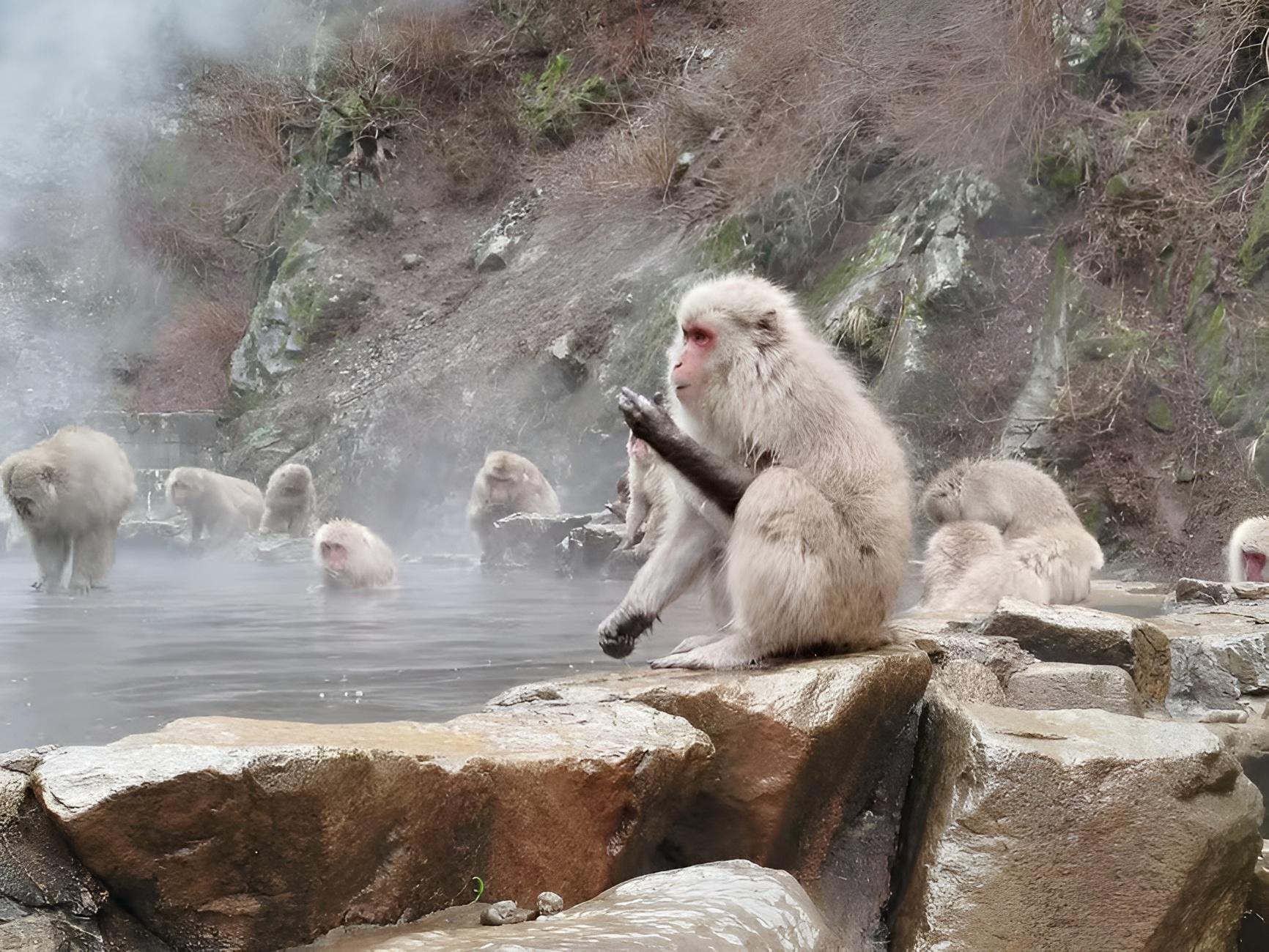
The central thermal pool where macaques gather to stay warm during colder months.
A 1.6-kilometer path through the scenic valley leading to the main enclosure.
Located near the entrance, this area provides insights into the park's research.
Organized tours provide seamless transportation and local insight, whereas self-guided visits allow for total pace control at the Jigokudani Monkey Park. Most visitors choose the organized nagano snow monkey day tour to bypass navigation stress, while independent travelers prefer the freedom of the self-guided route.
| Feature | Top pick Organized Tour | Self-Guided Excursion |
|---|---|---|
Logistical Planning |
Handled by operator | |
Cost Efficiency |
Tour fee includes transport | |
Group Size |
Fixed small group | |
Time Flexibility |
Set itinerary schedule | |
Added Cultural Context |
Professional guide commentary | |
Access to Nearby Attractions |
Integrated local sightseeing | |
| See tickets → |
Verdict: Opt for nagano snow monkey day tour tours if you prefer a stress-free experience with historical narration, or select the self-guided option to curate your own nagano snow monkey day tour tour arrival and nagano snow monkey day tour tickets management.
Choose your ticket, select your date, and reserve in under two minutes. Secure checkout handled by our verified partner.
Instant confirmation by email, with a mobile voucher you can save offline. No printing, no queuing at a collection desk.
Arrive at the entrance, show your voucher on your phone, and walk in. Most tickets include priority or skip-the-line access.
Practical details for your visit straight from our verified partners — hours, access, rules, and how to get there.
Nagano, Japan
Standard departure point for most group tours
Take the Nagano Dentetsu Line to Yudanaka Station, then a local bus.
Park at the Jigokudani parking lot and hike to the entrance.
Wear sturdy walking shoes suitable for a 30-minute hike on an unpaved forest trail. Layers are recommended as mountain temperatures fluctuate.
Keep backpacks secure and closed at all times to prevent attracting monkey interest. Do not leave bags unattended on the trail to the Jigokudani Monkey Park.
Photography is permitted, but using flashes or selfie sticks near the macaques is strictly prohibited. Keep a respectful distance of at least two meters from all animals.
The path to the main viewing area is a 1.6-kilometer forest trail that is not wheelchair accessible. Visitors should be prepared for steep sections and gravel surfaces.
Use your device to take photos without disturbing the wildlife. Avoid making loud noises or sudden movements with your phone near the animals.
Children should remain supervised at all times during your nagano snow monkey day tour. Do not allow children to approach or touch the wild macaques.
Consuming food or drinks near the monkeys is prohibited as it encourages aggressive behavior. Please use designated picnic areas outside the immediate park grounds.
Pets are not allowed inside the park as they can cause distress to the wild monkeys. Please arrange for pet care before departing for your nagano snow monkey day tour.
The 800 JPY entrance fee supports the conservation of the Jigokudani Monkey Park environment. Check local weather reports as the trail can become slippery during rain.
Best time to go, insider tips, nearby landmarks, and the cancellation fine print — flip through to skim what matters to you.
How crowds, weather, and events shift across the year.
March to May offers mild weather and newborn monkeys in the park. Trails are generally clear of heavy snow.
June to August is warmer and less crowded, perfect for a relaxed nagano snow monkey day tour experience.
September to November showcases colorful foliage along the forest trail. Temperatures begin to drop significantly.
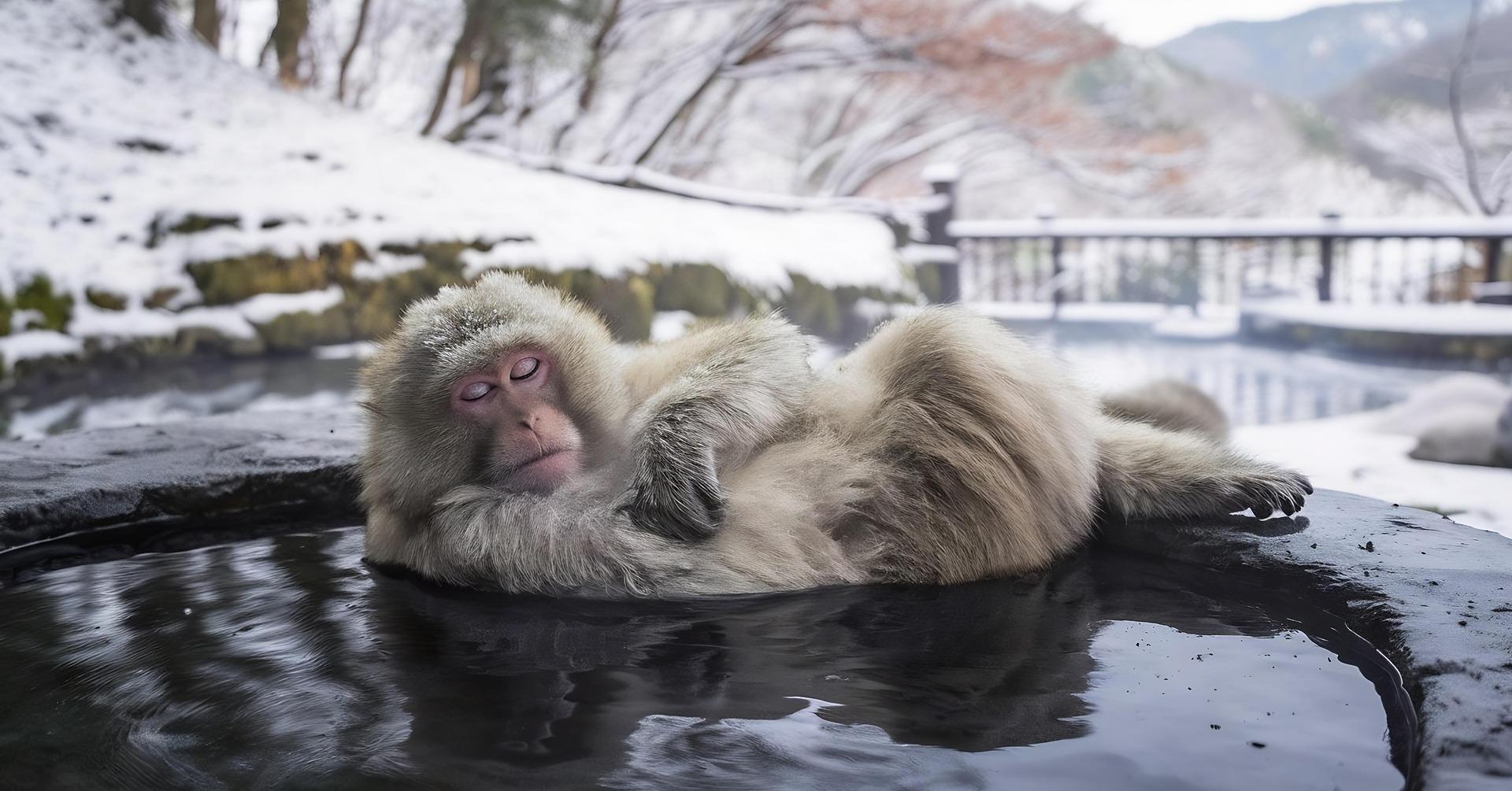
December to February provides the iconic snowy landscape and frequent bathing sessions.
Small details that turn a good visit into a great one.
Visit during the 09:00–16:00 window to see the most active behavior.
Maintain the required distance to ensure the safety of the monkeys and visitors.
Non-bookable sights within a short walk — free to visit, easy to pair.
A historic hot spring town with cobblestone streets.
Learn about the local history of thermal springs.
Flexible, no hidden fees.
Tours must be cancelled at least 24 hours prior to departure for a full refund. The 800 JPY conservation fee is non-refundable if already processed by the operator.
Hand-picked options within walking distance — pick a district for vibe, or a specific hotel for convenience.
Traditional ryokans with local thermal baths.
Central hotels located near major transit hubs.
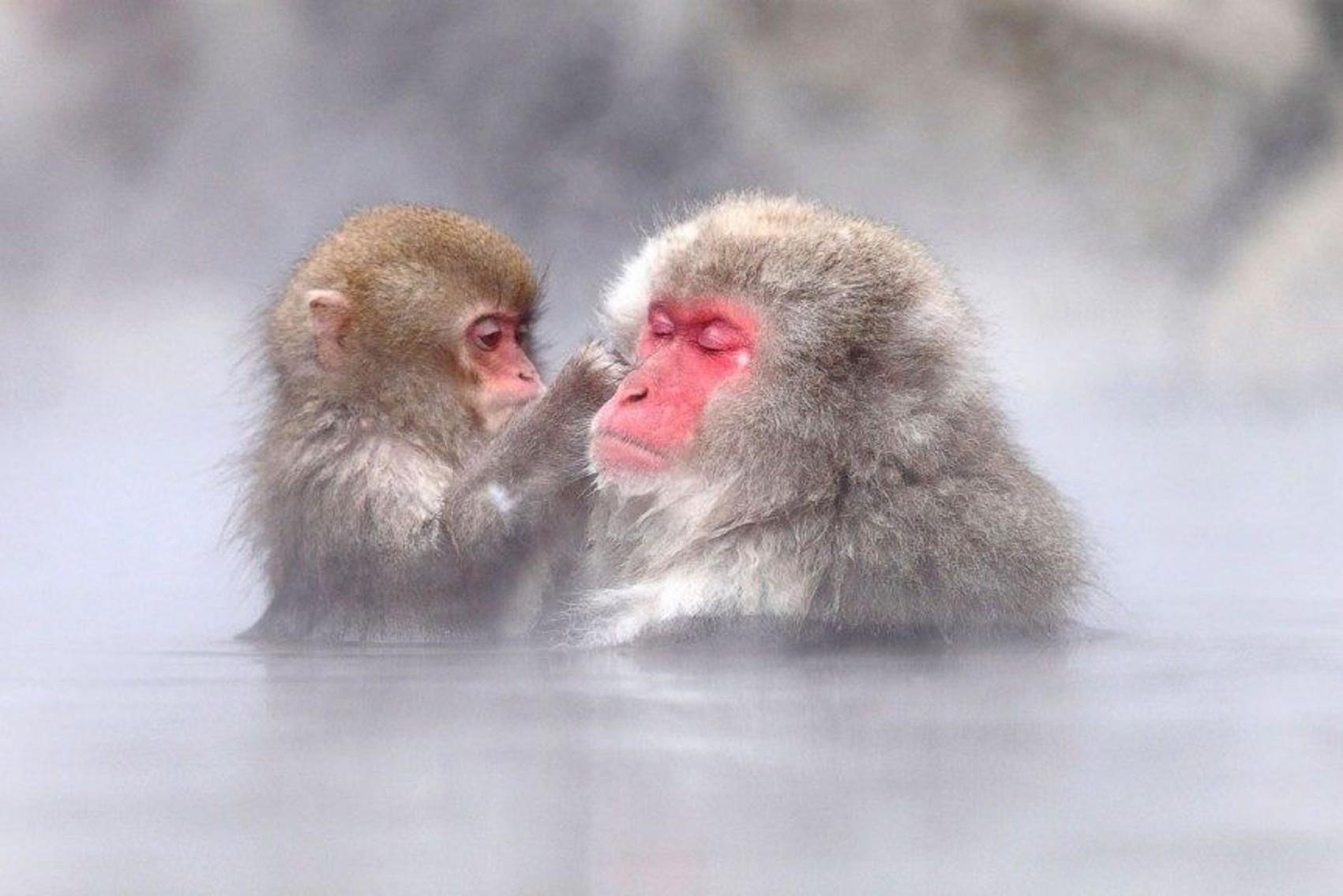
The macaques of Jigokudani learned to bathe by imitation, not instinct. In 1963 a young female followed apples into the outdoor bath of the Korakukan ryokan; within a season the habit had spread through her troop. The park opened the following year, in 1964, built around a single artificial pool fed by the same hot spring water that scalds the valley floor. Most of the troop now bathes at least occasionally. A Nagano snow monkey day tour is, in effect, a visit to a behaviour barely sixty years old. Jigokudani sits at roughly 850 metres in the Yokoyu River gorge, inside Joshinetsu Kogen National Park. Edo-era travellers called the place Hell's Valley — jigokudani — for the steam that forces itself through cracks in the cliff and the sulphur that stains the rock. Snow covers the ground for about a third of the year. The Japanese macaque, Macaca fuscata, is the northernmost non-human primate on earth, and this troop of roughly 160 animals lives at the extreme edge of that range. What makes the site unusual is its refusal to be a zoo. There are no cages and no barriers. The monkeys descend from the surrounding beech and cedar forest of their own accord, feed, bathe, groom, and leave. Researchers have tracked individual matrilines here for decades, and the park's 800 JPY conservation fee funds that continuity. Jigokudani monkey park tours therefore deliver something closer to fieldwork than to spectacle. The architecture is deliberately minimal: a plank walkway, a warden's hut, a bath ringed by grey stone. Nothing competes with the animals. Below, the Yokoyu cuts through volcanic rock; above, the Shiga Kogen highlands rise toward the ski terrain that made Yamanouchi famous. The neighbouring hot spring village of Shibu Onsen has operated for more than 1,300 years, and Zenkoji Temple in Nagano city, whose foundation legend reaches back to the seventh century, anchors the wider cultural route many Nagano snow monkey day tour tours follow. The park has never advertised itself. Its reputation travelled through photographs — a wet face, closed eyes, snow on the crown of the head — reproduced in magazines from the 1970s onward. That single image did the work of a century of marketing. Nagano snow monkey day tour tickets now carry visitors from Tokyo and from Nagano station alike into a narrow gorge where a wild population has, for six decades, chosen to sit in warm water while people watch from a metre away.
"The monkeys descend from the forest of their own accord, bathe, groom, and leave."
A step-by-step walkthrough of the visit — what you'll see, how long each stage takes, and the details that matter.
You start in Nagano city, often beside Zenkoji Temple, where the morning air still carries incense and cedar. Whatever Nagano snow monkey day tour tour you have chosen — the sake-tasting itinerary, the private day trip out of Tokyo, the soba-and-Shibu-Onsen route — the road narrows the same way, climbing past apple orchards toward Yamanouchi. The van stops at Kanbayashi. From there you walk. The trail runs level through a cedar plantation: packed earth in August, ice under boot spikes in February. Partway along, the valley opens and steam appears above the Yokoyu River. You pay the 800 JPY conservation fee at the warden's hut and step onto the plank walkway. Arriving between 09:00 and 16:00 puts you there while the troop is active; the gate itself keeps 08:30–17:00. Then you stop moving, because a macaque is sitting on the railing an arm's length from your hand and has no interest in you whatever. You watch a juvenile drop into the pool and surface with its fur flattened black. You watch one adult groom another for four unhurried minutes. You leave when the light goes flat, walk back down through the trees, and reach the sake cellar or the soba counter at Shibu Onsen with wet boots and very little to say.
The park is open daily from 08:30–17:00.
The 1.6km forest trail is not wheelchair accessible and requires walking on uneven ground.
It is recommended to secure your nagano snow monkey day tour tickets through an operator to ensure availability.
Cancellations made 24 hours in advance are eligible for a refund, excluding the 800 JPY conservation fee.
There are no dining facilities inside; please eat before your nagano snow monkey day tour.
No pets are allowed inside the Jigokudani Monkey Park to protect the wildlife.
Monkeys are most active and likely to bathe during colder morning and early afternoon hours between 09:00–16:00.
Wear comfortable shoes for hiking; no special clothing is required for the Jigokudani Monkey Park.
Drones are strictly prohibited to ensure the safety of the monkeys.
The entrance fee is 800 JPY, which acts as a conservation fee per adult visitor.